
Introduction
Every dog owner shares the same dream—helping their furry companion live a longer, healthier, and happier life. The good news? It’s absolutely achievable. With the right daily habits, a balanced lifestyle, and plenty of love, your dog can enjoy years of energy, vitality, and joy.
This guide breaks down 10 essential tips that every dog owner should know. These tips will help you improve your dog’s physical health, mental well-being, emotional balance, and overall quality of life.
If you want to help your dog live longer, the most important thing is understanding the daily habits that boost their health and happiness.
If you want additional in-depth tips, make sure to read our detailed health guide here:
How to Keep Your Dog Healthy: 12 Proven Tips for a Longer, Happier Life (2025 Guide)
Now, let’s dive right in.

1. Nourishing Your Dog: The Importance of a Balanced Diet
Why Proper Nutrition Matters
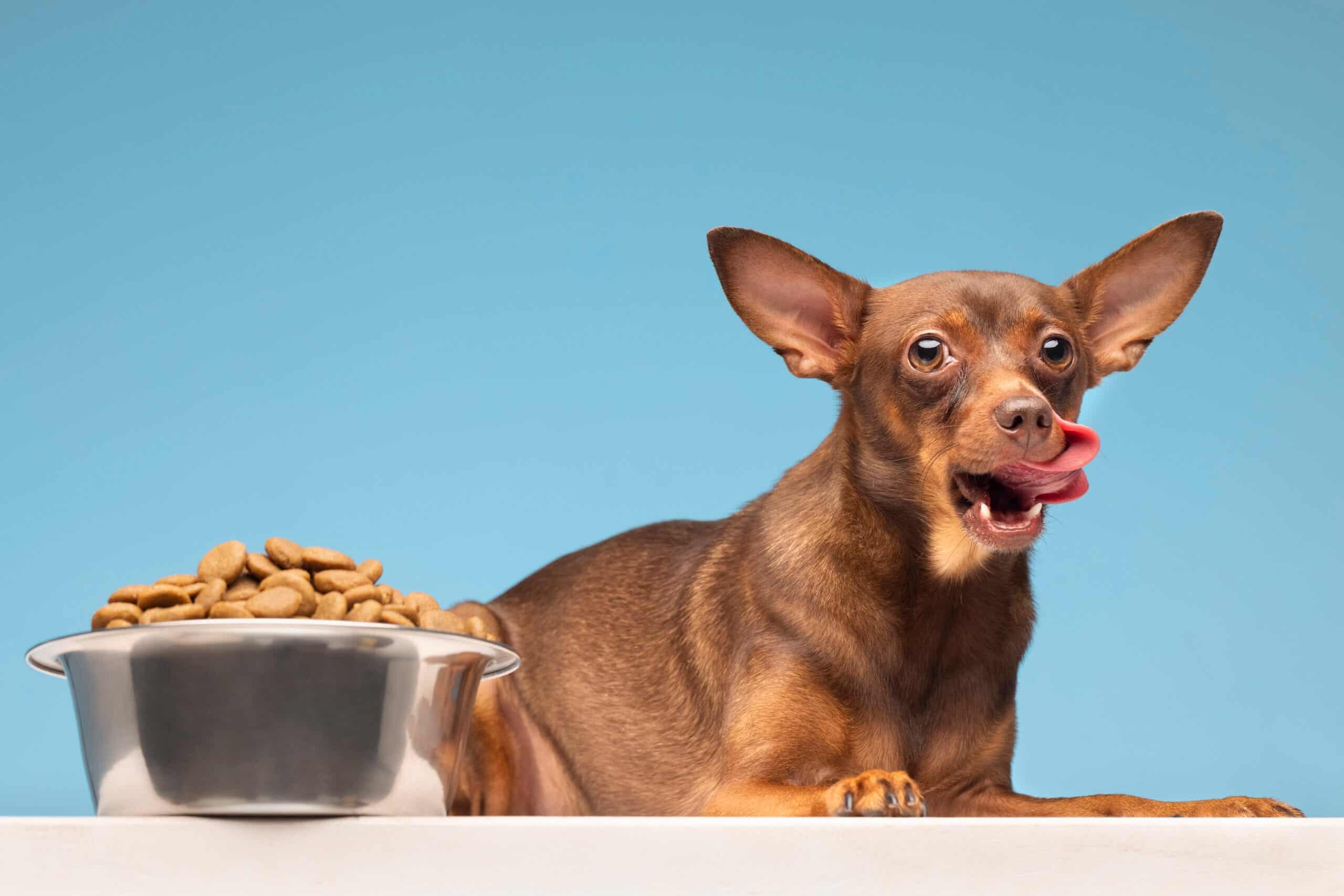
Your dog’s diet is the foundation of their health. High-quality food fuels their energy, boosts immunity, supports muscle growth, maintains a healthy coat, and prevents long-term diseases.
Feeding your dog the right nutrients isn’t just about keeping them full—it’s about keeping them thriving.
Key Components of a Healthy Canine Diet
A proper canine diet includes:
- High-quality protein for muscle strength
- Healthy fats for energy and coat health
- Vitamins & minerals for immunity
- Fiber for smooth digestion
- Fruits & veggies for natural antioxidants
A balanced combination of these elements helps your dog stay active, happy, and healthy.
How to Choose the Right Food for Your Dog
When shopping for dog food, look for:
- Real meat as the first ingredient
- No artificial preservatives
- Low or no fillers
- Balanced nutrients based on age, breed, and activity level
If you want to understand how diet affects your dog’s mood and behavior, check out this helpful guide:
How Dog Food Affects Behavior: 5 Proven Ways Diet Impacts Mood (2025 Guide)
Adjusting Portions and Preventing Obesity
Dog obesity can lead to:
- Heart problems
- Joint pain
- Diabetes
- Reduced lifespan
Use a feeding chart, monitor weight regularly, and avoid excessive treats. Keeping your dog lean is one of the best things you can do for their long-term health.
2. The Power of Regular Exercise for Your Dog’s Health
Physical Benefits of Daily Movement
Regular exercise helps:
- Maintain a healthy weight
- Strengthen the heart and muscles
- Improve mobility
- Boost overall physical health
Even a simple daily walk can make a huge difference.
Mental and Emotional Perks
Exercise isn’t just physical—it’s mental therapy for dogs too. It:
- Reduces stress
- Prevents boredom
- Minimizes destructive behavior
- Improves mood and confidence
Fun Exercise Ideas for Every Dog
Here are some activities your dog will love:
- Daily walks or jogs
- Fetch or frisbee
- Swimming
- Agility training
- Hide-and-seek activities
Switching things up keeps your dog excited and motivated.
3. Routine Veterinary Checkups: Keeping Your Dog in Top Shape
Catching Problems Before They Start
Many serious health problems show little to no early symptoms. Routine vet checkups allow for early detection and prevention, giving your dog a much better chance at a long, healthy life.
Vaccines, Screenings & Preventative Care
A typical vet visit may include:
- Physical examinations
- Dental checks
- Vaccinations
- Parasite testing
- Weight monitoring
- Heart and lung evaluation
How Often Should Your Dog See the Vet?
- Puppies: Every few weeks
- Healthy adults: Once a year
- Senior dogs: Twice a year
Regular checkups are essential for long-term wellness.
4. Mental Stimulation: Engaging Your Dog’s Mind for a Happier Life
Why Mental Enrichment Matters
A mentally stimulated dog is a happy dog. Without enough brain activity, dogs can become anxious, restless, and destructive.
Toys, Games & Puzzles That Boost Brain Power
Here are some fun mental activities:
- Food puzzles
- Scent games
- Interactive toys
- Hide-and-find treats
For puppies who need safe and stimulating toys, check out this guide:
Affordable Puppy Toys That Are Safe and Fun in 2025
Simple Training Routines for Daily Enrichment
Daily 5–10 minute training sessions can:
- Build confidence
- Improve obedience
- Strengthen your bond
- Stimulate your dog’s brain
Simple commands like “sit,” “stay,” and “spin” are great starting points.
5. Creating a Safe and Comfortable Home Environment
Dog-Proofing Your Space
Make sure your home is free from hazards such as:
- Toxic foods
- Poisonous plants
- Loose wires
- Sharp objects
- Small swallowable items
A safe environment prevents accidents and keeps your dog protected.
Building a Cozy, Stress-Free Routine
Dogs flourish in predictable routines. Regular times for meals, walks, play, and sleep help reduce stress and create a sense of security.
The Power of Comfort and Security
Comfort matters — especially when it comes to sleep.
If you’re searching for the best bed for your furry friend, check out this guide:
Best Dog Beds in 2025: Top Picks for Comfort, Support & Durability
A good bed supports joints, improves sleep quality, and keeps your dog relaxed.
6. Grooming and Hygiene: More Than Just Looking Good
Bathing and Brushing Essentials
Regular grooming helps:
- Remove dirt and loose fur
- Prevent tangles
- Reduce shedding
- Keep the coat clean and healthy
Nail Care, Ear Cleaning & Skin Checks
These are essential for preventing:
- Ear infections
- Pain from long nails
- Skin problems
- Parasite issues
Grooming as a Bonding Experience
Grooming helps build trust and makes your dog feel cared for. Use gentle strokes, treats, and patience to make grooming enjoyable.
7. Socialization: Helping Your Dog Thrive
Why Socialization Matters
A well-socialized dog is confident, friendly, and less likely to develop behavioral problems. Socialization teaches dogs how to interact with people, animals, and new environments.
Safe Ways to Introduce New Experiences
Start with:
- Short meetups with calm dogs
- Walks in new neighborhoods
- Exposure to different sights and sounds
- Positive reinforcement
Benefits for Behavior and Confidence
Proper socialization helps reduce:
- Fear
- Anxiety
- Aggression
- Stress in unfamiliar situations
8. Dental Health: A Vital Yet Often Overlooked Factor
The Connection Between Oral Health and Longevity
Bad dental health can lead to dangerous infections affecting the heart, kidneys, and liver. Keeping your dog’s mouth healthy is crucial for long-term well-being.
Brushing, Chews & Professional Cleanings
To maintain dental health:
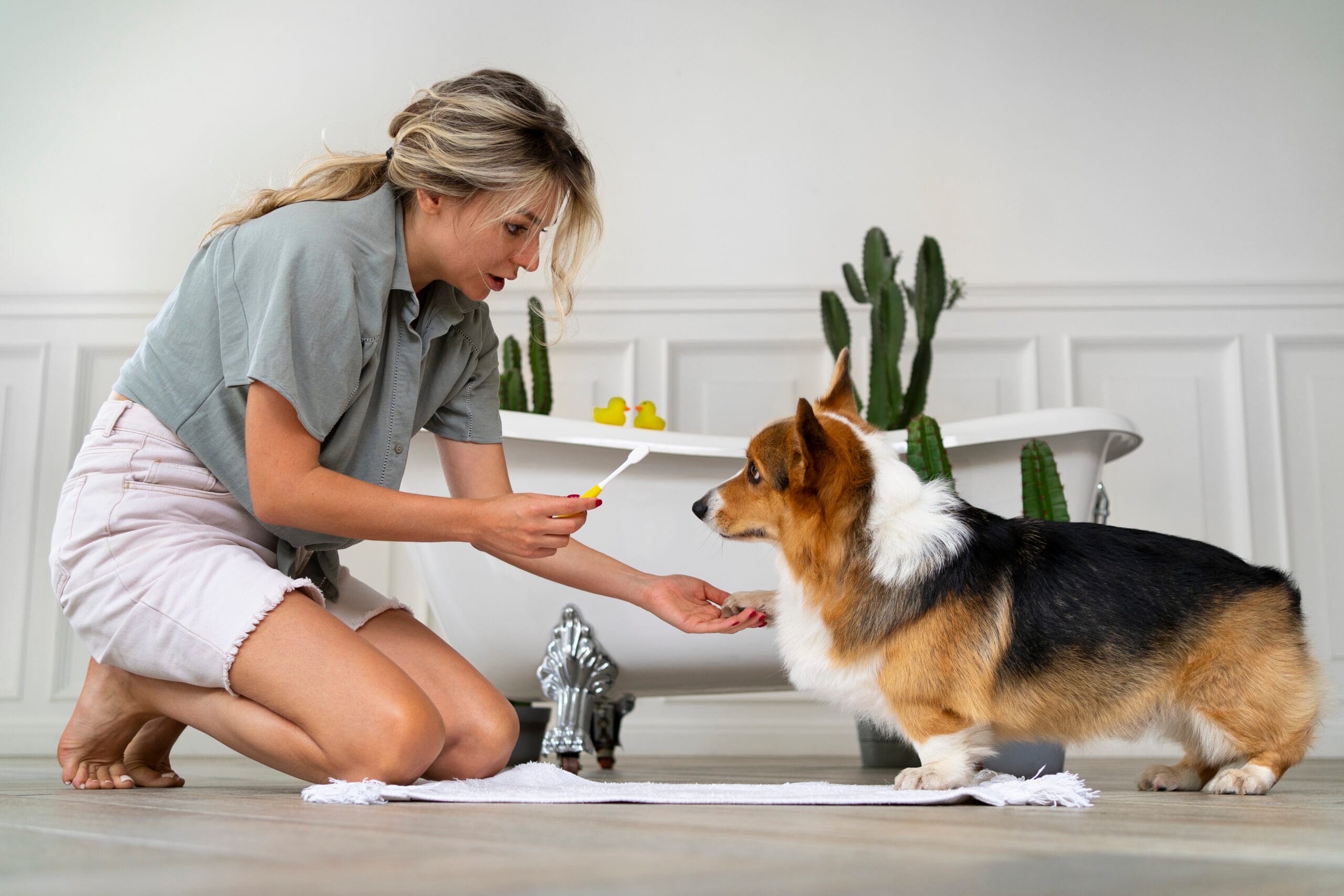
- Brush teeth regularly
- Offer dental chews
- Schedule professional cleanings
Proper dental care adds years to your dog’s life.
9. Preventing Parasites and Diseases
Flea, Tick & Worm Prevention
Parasites cause discomfort, infections, and life-threatening illnesses. Use monthly preventatives recommended by your vet.
Vaccines That Protect Long-Term Health
Keep your dog protected from:
- Rabies
- Parvovirus
- Distemper
- Bordetella
- Hepatitis
Vaccination is one of the easiest ways to boost your dog’s longevity.
10. Love, Attention & Emotional Wellness
Why Dogs Need Emotional Care
Dogs experience emotions deeply. They feel happiness, sadness, anxiety, and stress just like we do. Emotional care is just as important as physical care.
Building Trust and Strengthening Your Bond
Spend quality time with your dog by:
- Playing together
- Training sessions
- Cuddles and affection
- Peaceful walks
Reducing Stress and Anxiety
Consistency, love, and reassurance help your dog stay calm, confident, and emotionally stable.
Conclusion
Helping your dog live a long and healthy life doesn’t require complicated routines—just thoughtful daily habits. With proper nutrition, regular exercise, consistent grooming, mental stimulation, vet visits, and plenty of love, your furry friend can enjoy many happy years by your side.
If you’d like even more health tips, don’t forget to read our guide here:
👉 Blog
Your dog’s well-being begins with the care you give today.
FAQs
1. How often should I feed my dog?
Twice a day works best for most adult dogs.
2. How much exercise does a dog need?
Between 30–60 minutes daily depending on breed and energy level.
3. How do I know if my dog is overweight?
You should feel—but not see—the ribs clearly.
4. How often should I take my dog to the vet?
Once a year for adults, twice a year for seniors.
5. What’s the most important tip for a longer dog life?
Balanced diet + exercise + love + routine vet care.




6 Comments