
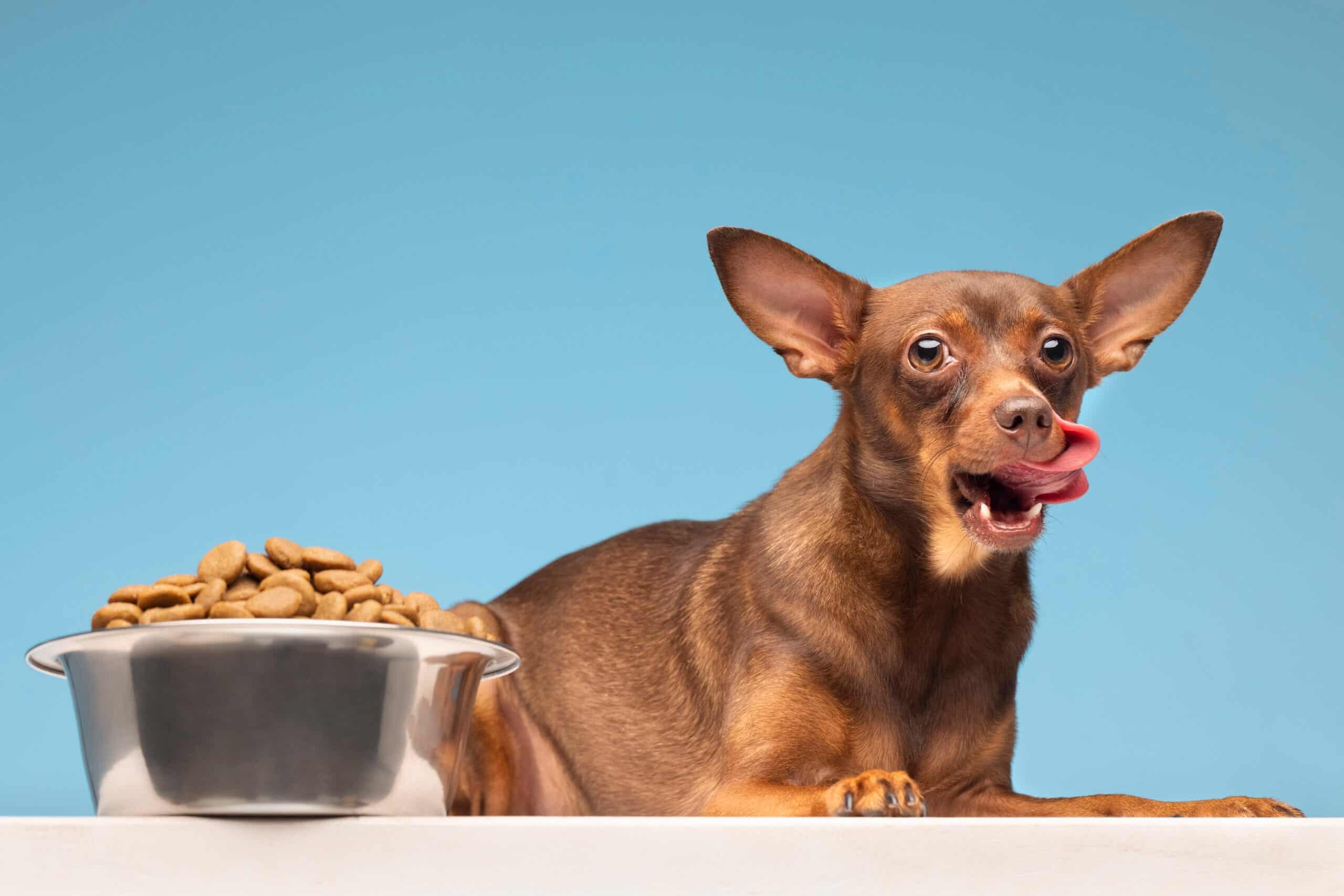

Introduction: Why Your Dog’s Diet Shapes Their Behavior
How dog food affects behavior is something many dog owners don’t think about, yet it plays a huge role in anxiety, hyperactivity, aggression, or even clinginess. Your dog’s diet shapes their mood, confidence, and emotional balance more than training or lifestyle alone.
And here’s the truth:
Your dog’s mood, confidence, calmness, and emotional balance are all tied to what they eat.
If you’re also exploring overall health tips, don’t miss our in-depth guide:
How to Keep Your Dog Healthy: 12 Proven Tips for a Longer, Happier Life
Let’s break things down in a simple, practical, human way.
How Dog Food Affects Behavior: Can Diet Really Change a Dog’s Actions?
Yes — absolutely.
Diet can change your dog’s behavior within days or even hours.
The Immediate Food–Mood Response
If you’ve ever wondered how dog food affects behavior in real-life situations, this section will make it clear.
- Sudden energy spikes
- Increased anxiety
- Mood swings
- Aggressive reactions
- Difficulty focusing
Signs Your Dog’s Behavior Is Diet-Related
If your dog shows any of these, food might be the cause:
- Hyperactivity after meals
- Pacing or restlessness
- Sudden irritability
- Nervousness
- Aggression with no clear trigger
- Difficulty training or paying attention
These are often nutritional problems — not personality issues.
Understanding the Food–Mood Connection
Your dog’s emotional stability depends on neurotransmitters like:
- Serotonin (calmness)
- Dopamine (focus and motivation)
- GABA (relaxation)
- Norepinephrine (stress response)
Serotonin, Dopamine, and Your Dog’s Brain
These brain chemicals can only be produced when your dog gets the right nutrients — especially amino acids, vitamins, and fatty acids.
How Diet Controls Neurochemical Balance
Poor-quality food = poor mood.
High-quality food = stable behavior.
It really is that direct.
AKC Insight: Nutrition & Emotional Stability
According to the American Kennel Club, nutrition plays a major role in emotional balance, stress reduction, and learning ability — which is why behavior problems often begin in the bowl, not the brain. https://www.akc.org/expert-advice/nutrition/
The Science Behind Behavior Changes
1. Protein Quality Shapes Brain Function
Serotonin and dopamine are built from amino acids found in protein.
Low-quality protein = low amino acids.
This can lead to:
- Irritability
- Sudden aggression
- Trouble focusing
- Low confidence
- Poor impulse control
Dogs need real meat, not “meat meal” or mystery by-products.
2. The Gut–Brain Axis & Mental Health
Your dog’s gut and brain communicate constantly.
Why 90% of Serotonin Begins in the Gut
This is another example of how dog food affects behavior by influencing gut health and brain chemistry.
- Anxiety
- Nervousness
- Mood swings
- Reactivity
- Sensitivity to noise or strangers
A healthy gut improves emotional stability naturally.
5 Proven Ways Dog Food Impacts Behavior
1. Nutrient Quality Regulates Emotional Stability
Low-quality food causes:
- Hyperactivity
- Impulsive behavior
- Aggression
- Difficulty learning commands
High-quality, whole ingredients keep behavior calm and predictable.
2. Omega-3 Fatty Acids Reduce Anxiety
Omega-3s are the “chill-out” nutrients for dogs.
Dogs lacking omega-3s often struggle with:
- Restlessness
- Overreacting to noises
- Difficulty relaxing
- Separation anxiety
Best sources include:
- Salmon
- Sardines
- Anchovies
- Flaxseed
- Fish oil
3. Carbohydrates Control Energy & Hyperactivity
Carbs aren’t the enemy — the wrong carbs are.
Complex carbs:
Sweet potatoes, brown rice, barley, oats
Provide steady energy
Simple carbs & fillers:
Corn, sugar, wheat fillers
Cause energy spikes and crashes
If your dog gets hyper after meals, carbs are usually the reason.
4. Artificial Additives Trigger Behavior Problems
Some additives overstimulate the nervous system and cause anxiety or aggression.
Avoid:
- Red 40
- Blue 2
- BHA/BHT
- Synthetic flavors
- Chemical preservatives
These additives can trigger behavior issues similar to hyperactivity in children.
5. Fiber & Probiotics Support Confidence & Calmness
A healthy gut supports a healthy mind.
Foods that help mood include:
- Pumpkin
- Chia seeds
- Kefir
- Probiotic dog treats
- Fermented vegetables
These support digestion, reduce stress, and create emotional balance.
Key Nutrients That Influence Behavior
| Nutrient | Role | Best Sources |
|---|---|---|
| Protein | Emotional control | Chicken, turkey, salmon |
| Omega-3s | Calm behavior | Sardines, fish oil |
| B Vitamins | Stress management | Eggs, beef, liver |
| Magnesium | Relaxation | Pumpkin, leafy greens |
| Zinc | Confidence, focus | Red meat, eggs |
Ingredients That Harm Your Dog’s Behavior
Avoid dog foods that contain:
- Low-quality fillers
- Sugars (molasses, dextrose)
- Artificial colors
- Mystery meat by-products
These lead to:
- Hyperactivity
- Anxiety
- Stomach discomfort
- Aggression
- Mood swings
How to Choose the Right Dog Food
What High-Quality Food Should Include
- Real meat listed first
- No artificial preservatives
- Omega-3 fatty acids
- Digestible complex carbs
- Probiotics
- Named meat sources (for example, chicken instead of poultry meal)
Red Flags to Avoid
- “Meat by-product meal”
- “Animal digest”
- Corn or soy fillers
- Artificial colors
- Chemical preservatives
If the ingredient list looks like a chemistry lab, avoid it.
Tips to Safely Improve Your Dog’s Diet
1. Transition Over 7–10 Days
- Day 1–3: 25% new food
- Day 4–6: 50% new food
- Day 7–9: 75% new food
- Day 10: 100% new diet
2. Track Behavior During Diet Changes
Watch for improvements in:
- Calmness
- Focus
- Anxiety levels
- Coat quality
- Digestion
3. Consult a Vet If You Notice Sudden Changes
Rapid aggression, extreme anxiety, or digestive problems should always be checked by a professional.
Conclusion
Understanding how dog food affects behavior is one of the most powerful things you can do for your pet’s emotional well-being. Nutrition controls everything — from energy levels to aggression, from confidence to calmness.
By choosing a diet rich in real ingredients, healthy fats, proper proteins, and gut-friendly nutrients, you can transform your dog’s life from the inside out.
Once you understand how dog food affects behavior, it becomes easier to choose nutrition that supports emotional balance, calmness, and better training results.
Want to support your dog’s behavior, comfort, and lifestyle beyond diet?
Explore these helpful reads:
- 10 Essential Tips to Help Your Dog Live a Longer, Healthier Life
- Best Dog Beds in 2025: Top Picks for Comfort, Support & Durability
- Affordable Puppy Toys That Are Safe and Fun in 2025
- Best Dog Beds in 2025: Top Picks for Comfort, Support & Durability
FAQs
1. How long does it take to see behavior changes after switching dog food?
Most owners notice improvements within one to three weeks, especially with better proteins and omega-3s.
2. Can bad dog food cause aggression?
Yes. Poor nutrition and additives can trigger irritability, reactivity, and sudden aggression.
3. Does grain-free food improve behavior?
Not always. What matters is the quality of ingredients, not whether grains are present.
4. Can probiotics really calm a dog?
Yes. Improving gut health increases serotonin production, which supports calmness.
5. Is homemade dog food better for behavior?
It can be, but only if nutritionally balanced. Consult a vet before switc



2 Comments